
Many people with oily skin skip moisturizer, assuming it will make shine and breakouts worse. The truth is the opposite: avoiding hydration can make oily skin more reactive and oilier over time. A straightforward, well-chosen moisturizer helps balance oil production, protect the skin barrier, and improve texture without adding unwanted grease.
Start your routine by learning what your skin truly needs. Browse targeted options in our Skincare collection to find lightweight, non-comedogenic picks designed for oil-prone skin.
Why oily skin still needs moisture
Oily skin produces excess sebum, but sebum and hydration are not the same. When the skin barrier is compromised or dehydrated, the body often responds by making more oil. That excess oil can exacerbate shine and clog pores, but it’s a symptom, not a solution. Regular hydration signals the skin to normalize oil production and supports barrier repair, reducing sensitivity and inflammation over time.
How moisturizing controls oil and prevents overproduction
Moisturizers do several jobs that directly benefit oily skin: they replenish water (humectants), lock it in (occlusives in light formulations), and soothe irritation (anti-inflammatory actives). Lightweight hydrating creams or gel moisturizers give immediate comfort and long-term regulation of sebum. For example, a targeted daily hydrator like JiYu NAD+ Hydrating Face Moisturizer demonstrates how modern formulations can hydrate without heaviness, offering antioxidant support along with moisture.
Choosing the right textures and ingredients
For oily skin prioritize:
- Lightweight textures: gels, water-gels, and fluid lotions.
- Humectants: hyaluronic acid and glycerin draw water into the skin without oiliness.
- Non-comedogenic, low-irritant formulas to avoid pore-clogging.
- Soothing actives like niacinamide to regulate sebum and improve tone.
For deep hydration without weight, consider concentrated humectant serums such as a Hyaluronic Acid Ampoule Essence. These deliver water to the skin’s layers and pair well with a light moisturizer to seal the benefit in place.
Cleanse gently—don’t strip
Traditional advice often pushes oil-control cleansers that can over-dry. Stripping the skin increases barrier damage and prompts more oil production. Use a gentle, hydrating cleanser that removes excess sebum and impurities but preserves the skin’s moisture balance. A formula like Shiseido Cleansing Cream is an example of a product that cleanses while maintaining hydration and minimizing rebound oil.
Key actives for oily, hydrated skin
Integrate targeted actives to manage oil without compromising moisture:
- Salicylic acid: oil-soluble exfoliant that clears pores and reduces congestion—use in leave-on acids or essences.
- Niacinamide: reduces sebum production, improves barrier, and evens tone.
- Light retinoids: improve cell turnover and texture—pair with hydration to minimize irritation.
For gentle, hydrating salicylic formulations, look at options like the Salicylic Acid Care Essence, which combines pore-refining benefits with hydration so it won’t over-dry skin when used as directed.
Support the barrier without greasiness
Barrier repair is central to reducing oil overproduction. Use lightweight barrier-supporting serums and moisturizers that deliver ceramides, peptides, and antioxidants to strengthen skin resilience. Serum boosters like the Shiseido Ultimune Power Infusing Concentrate are formulated to enhance barrier function and can sit under a light moisturizer to improve long-term skin health without adding shine.
Smart layering: order and timing
Apply products from thinnest to thickest. A basic sequence for oily skin might be: cleanser → treatment toner/essence (salicylic or hydrating) → serum (hyaluronic or barrier booster) → lightweight moisturizer → sunscreen in the AM. At night, add retinoids after serums but ensure sufficient hydration to prevent irritation.
If you prefer all-in-one kits for a consistent routine, consider a multi-step set like the Korean Moisturizing Renewal Serum Set. Sets like these help you layer compatible textures while keeping products light and effective.
Use tools and assessment for personalization
Not every oily face reacts the same. Routine tweaks based on skin changes (season, hormones, treatment use) can make a big difference. Devices like the 3D AISIA-Q2 Skin Analyzer Machine can help identify hydration levels, pore congestion, and texture so you can choose the right moisturizer type and active concentrations.
Practical routine examples
Morning (oily but hydrated): gentle cleanser → hydrating essence or light vitamin C → hydrating serum (hyaluronic) → gel/moisturizer → broad-spectrum SPF.
Evening (active use): oil-free cleanser → salicylic essence or chemical exfoliant (2–3 times/week) → hydrating serum → lightweight moisturizer; if using retinoid, apply after serum and increase hydration.
Quick checklist: moisturizing for oily skin
- Choose lightweight, non-comedogenic textures (gels/lotions).
- Include a humectant (hyaluronic acid) and a soothing agent (niacinamide).
- Never over-cleanse—opt for gentle cleansing to preserve moisture.
- Layer serums before moisturizers; seal hydration with an appropriate light cream.
- Use active treatments (salicylic, retinoids) with added hydration to reduce irritation.
- Adjust routine seasonally and after skin assessments or treatments.
FAQ
- Will moisturizer make my oily skin worse? Not if you choose lightweight, non-comedogenic formulas. Proper hydration reduces oil overproduction and can improve shine over time.
- How often should I moisturize? Twice daily is standard—morning and night—or whenever your skin feels tight or irritated after treatment use.
- Can I use hyaluronic acid if I have very oily skin? Yes. Hyaluronic acid hydrates without adding oil and pairs well with light moisturizers to maintain balance.
- Do I need a separate daytime and nighttime moisturizer? Not always. Use a lightweight moisturizer with SPF or layer sunscreen over your AM moisturizer; choose richer options at night only if needed for barrier repair.
- What ingredients should I avoid? Heavy oils and occlusives that feel greasy or clog pores. Focus on oil-free, non-comedogenic products designed for combination or oily skin types.
Moisturizing is a foundational step for managing oily skin: it calms inflammation, supports the barrier, and helps regulate sebum. Start with gentle cleansing, add humectant serums, and finish with a light, non-comedogenic moisturizer. Small, consistent changes yield the best results—choose products and routines that keep your skin hydrated without adding weight or shine.
Products Featured in This Article
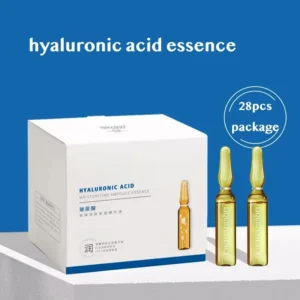
Hyaluronic Acid Ampoule Essence Deep Water Replenishment Intensive Repair Small Molecule Level Throwing Essence Original Solutio
Intensive hyaluronic acid ampoule serum with fullerene, niacinamide & six peptides for deep hydration. Suitable for…
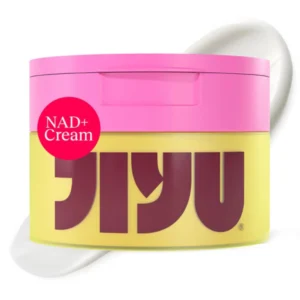
JiYu NAD+ Hydrating Face Moisturizer — 50 ml
A Korean daily moisturizer formulated with NAD+ to hydrate and brighten skin on the face and…
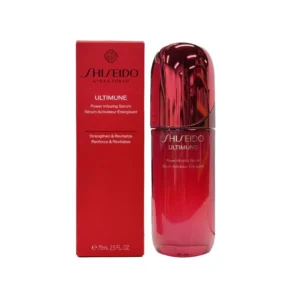
Shiseido Ultimune Power Infusing Concentrate IV Face Serum Strengthen Skin Barrier Boost Immunity Hydrate Repair Dull
Buy Shiseido Ultimune Power Infusing Concentrate IV Face Serum Strengthen Skin Barrier Boost Immunity Hydrate Repair…
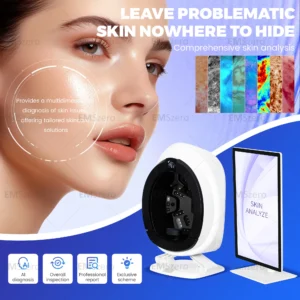
3D AISIA-Q2 Skin Analyzer Machine, Portable Facial Scanner, 110V/220V
Discover the MYOSLIM 3D AISIA-Q2 Skin Analyzer Machine – portable, CE & RoHS certified, 110V/220V dual…
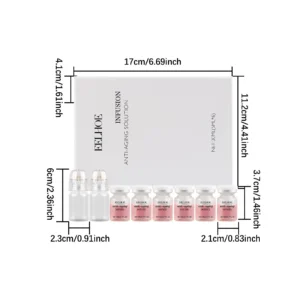
Korean Moisturizing Renewal Serum Set — 6 Bottles + 2 Tools
A 2-in-1 Korean moisturizing serum kit: six liquid bottles plus two application tools. Chemical-free formula formulated…
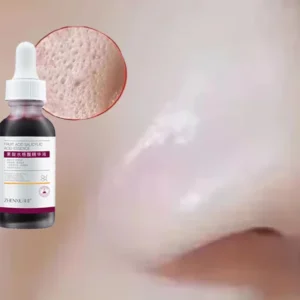
Salicylic Acid Care Essence Deep Hydration Gentle Nourishment Soothes Redness Smooths & Refines Firm Protection 2026
Deep hydration face serum with salicylic acid for gentle nourishment, soothing redness, and refining skin texture….
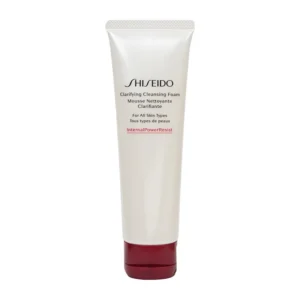
Shiseido Cleansing Cream — Hydrating, Oil-Control Face Wash
A creamy facial cleanser from Shiseido that combines hydrating, deep-cleansing action with oil-control and brightening properties….