
How to Layer Skincare Products in the Correct Order
Layering skincare correctly isn’t just about being meticulous — it determines whether products perform as intended. Apply things in the wrong order and active ingredients may not penetrate, pH-dependent products may be neutralized, and irritation can increase.
This guide gives a clear, practical step-by-step for morning and evening routines, how to position actives and acids, and tips for sensitive skin and tools. Read the order, then adapt for your products and skin type.
Why order matters: the basic rule
The simple principle is: apply from thinnest to thickest texture, lowest viscosity and highest water content to highest oil content. That maximizes absorption and avoids blocking lighter treatments with heavier creams. Think: water-based serums before oil-based creams.
Start with a clean canvas
Always begin with a proper cleanse so dirt, oil and sunscreen don’t block penetration. For a gentle yet effective option that works well for both morning and evening double-cleansing, consider a hydrating, non-stripping wash — for example, Shiseido Cleansing Cream — Hydrating, Oil-Control Face Wash.
Layering framework: step-by-step order
Follow this baseline order for most routines:
- Cleanser
- Toner or pH-balancing essence (if you use one)
- Lightweight essences / water-based serums
- Treatment serums (actives like vitamin C or targeted serums)
- Thicker serums or ampoules
- Eye cream
- Moisturizer
- Oils or occlusives
- Sunscreen (AM only)
For hydration-first approaches, a hyaluronic or peptide serum goes early — for example, Hyaluronic Acid & Peptide Brightening Face Serum is designed to layer under creams to boost moisture.
Morning routine: protect and hydrate
AM priorities: hydration, antioxidant protection, and sunscreen. A concise morning order:
- Cleanse (or rinse with water if very dry)
- Antioxidant serum if you use vitamin C or brightening serums
- Hydrating serum/essence
- Moisturizer — use a lightweight formula like JiYu NAD+ Hydrating Face Moisturizer — 50 ml for daily wear
- Sunscreen (broad-spectrum SPF 30+)
Apply sunscreen as the final step. If you use makeup, let sunscreen set for a minute before touching foundation.
Night routine: repair and treat
PM is when you can layer heavier treatments and targeted actives. A typical night sequence:
- Double cleanse if wearing makeup/sunscreen — oil/balm then water-based (cleanser from above)
- Toner/essence
- Targeted serums (acids or brighteners as planned)
- Hydrating serums and boosting ampoules
- Retinoid or treatment cream if prescribed or standalone — for a non-prescription option, many use a product like Retinol + Collagen Face Cream — Moisturizing & Firming at night
- Moisturizer/occlusive to seal — heavier creams overnight are fine
When you use retinol, place it after lightweight serums and before your heaviest moisturizer to reduce irritation and allow penetration.
Where to put acids and exfoliants
Acids like salicylic (BHA) or glycolic (AHA) should be applied to clean skin after toner and before serums and creams. For a gentle BHA option that’s formulated to hydrate and soothe while refining pores, consider Salicylic Acid Care Essence — Deep Hydration.
Important guidelines:
- Don’t layer strong exfoliating acids with retinol on the same night — pick one or separate by several nights to lower irritation risk.
- If using pH-dependent serums (some vitamin C formats or chemical exfoliants), wait 1–3 minutes between products to let skin normalize.
How to layer brighteners and actives
Brightening serums and spot treatments usually go in the “treatment serum” slot. For targeted hyperpigmentation or brightening protocols, a product such as Kojic Acid + Niacinamide Brightening Serum should be applied to clean skin before heavier serums and creams.
Keep these rules in mind:
- Patch-test combinations of actives first (e.g., kojic or vitamin C with niacinamide).
- Avoid mixing two strong exfoliants or two strong modulators (e.g., high-dose vitamin C and high-dose AHA) at once.
- When adding a new active, introduce it slowly (every 2–3 nights) and build tolerance.
Serums, ampoules and boosters: order and timing
Use lightweight serums/ampoules first. Concentrates meant to strengthen the skin barrier or support repair—like immune-boosting or barrier serums—go before moisturizers. A powerful barrier-boosting concentrate such as Shiseido Ultimune Power Infusing Concentrate IV Face Serum is typically used before your main moisturizer to optimize efficacy.
If you use multiple serums, wait about 30–60 seconds between each to let layers set and avoid pilling.
Tools and application tips
Tools can enhance absorption but don’t replace correct layering. Use facial massage, gua sha, or devices to encourage product distribution and circulation. For light therapy or at-home clinical modalities that support repair and collagen stimulation, try a device like the Portable 4‑Mode LED Red Light Therapy Face Mask after cleansing and before topical actives (or following manufacturer guidance).
General application tips:
- Warm a pea-sized amount between fingers before applying for even coverage.
- Press serums into the skin rather than rubbing aggressively.
- Allow thin layers to absorb — 30–60 seconds is usually enough for water-based serums.
Troubleshooting common layering issues
If you see pilling (products balling up), you may be layering incompatible textures or using too much product. Reduce amounts and allow longer wait times. If irritation occurs after adding an active, stop that product and reintroduce slowly. For persistent barrier concerns, prioritize hydrating and reparative products and reduce exfoliation frequency.
When to use specialized kits or sets
If you prefer pre-formulated systems that are designed to layer well together, consider multi-step sets that coordinate textures and actives, such as the Korean Moisturizing Renewal Serum Set — 6 Bottles + 2 Tools. These can simplify sequencing and reduce the risk of incompatible ingredients.
Quick checklist
- Cleanse fully before treating.
- Apply from thinnest to thickest texture.
- Use acids/peels on clean skin and not on the same night as retinol.
- Place targeted serums before moisturizers and oils.
- Finish AM routine with sunscreen; finish PM with a sealing moisturizer.
- If unsure, introduce one new product at a time and patch test.
FAQ
Q: How long should I wait between layers?
A: For water-based serums, 30–60 seconds is usually sufficient. For pH-dependent actives, wait 1–3 minutes.
Q: Can I mix niacinamide with vitamin C?
A: Most modern formulas can be layered together without issue. If you have sensitive skin, introduce them slowly and watch for irritation.
Q: Should I apply oil before or after moisturizer?
A: Oils and occlusives should be applied after moisturizer to seal in hydration and actives.
Q: How often should I use chemical exfoliants?
A: It depends on concentration and skin tolerance. Many people start with 1–2 times per week, increasing gradually if tolerated. Use gentler, hydrating formats if you have reactive skin.
Q: Can I use LED therapy with active treatments?
A: LED therapy is generally safe with topical products but follow device instructions. Many prefer to use LED after cleansing and before heavy treatments; check your device guidance.
Conclusion
Layering correctly is straightforward: clean skin, apply from lightest to heaviest, separate strong actives when needed, and always finish the morning routine with sunscreen. Start simple, introduce new actives gradually, and adjust based on how your skin responds.
Products Featured in This Article
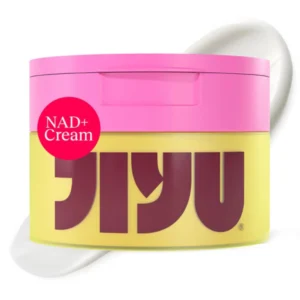
JiYu NAD+ Hydrating Face Moisturizer — 50 ml
A Korean daily moisturizer formulated with NAD+ to hydrate and brighten skin on the face and…

Kojic Acid + Niacinamide Brightening Serum
A targeted brightening serum formulated with kojic acid and niacinamide to address dark spots, freckles and…
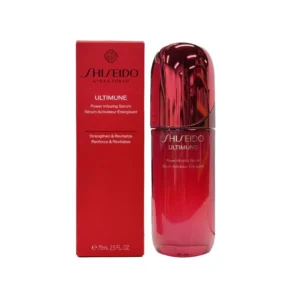
Shiseido Ultimune Power Infusing Concentrate IV Face Serum Strengthen Skin Barrier Boost Immunity Hydrate Repair Dull
Buy Shiseido Ultimune Power Infusing Concentrate IV Face Serum Strengthen Skin Barrier Boost Immunity Hydrate Repair…
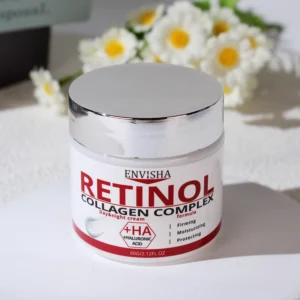
Retinol + Collagen Face Cream — Moisturizing & Firming
A facial cream marketed as a Retinol Collagen Complex to deliver deep moisture while improving the…
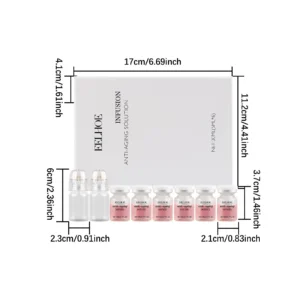
Korean Moisturizing Renewal Serum Set — 6 Bottles + 2 Tools
A 2-in-1 Korean moisturizing serum kit: six liquid bottles plus two application tools. Chemical-free formula formulated…
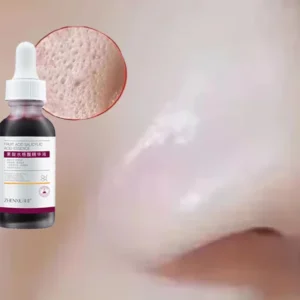
Salicylic Acid Care Essence Deep Hydration Gentle Nourishment Soothes Redness Smooths & Refines Firm Protection 2026
Deep hydration face serum with salicylic acid for gentle nourishment, soothing redness, and refining skin texture….
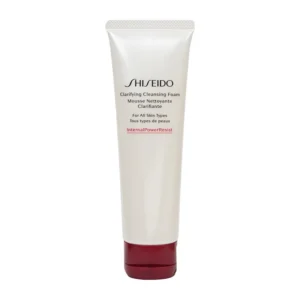
Shiseido Cleansing Cream — Hydrating, Oil-Control Face Wash
A creamy facial cleanser from Shiseido that combines hydrating, deep-cleansing action with oil-control and brightening properties….
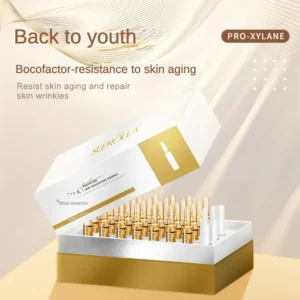
Hyaluronic Acid & Peptide Brightening Face Serum
A nourishing, hydrating face serum formulated with hyaluronic acid and peptides to brighten skin, help minimize…

Portable 4‑Mode LED Red Light Therapy Face Mask
A lightweight, portable LED face mask with four selectable light modes, made for at-home red light…