
Clean, well-maintained beauty tools protect your skin, extend the life of your products, and help you get consistent results. Whether you use brushes, sponges, metal tools, or high-tech devices, a few minutes of regular care prevents bacteria buildup, product contamination, and tool damage.
This practical guide covers daily habits, deep-cleaning methods, device-specific tips, storage, and replacement cues so you can keep every item in your kit hygienic and effective.
Why cleanliness matters for your skin and tools
Dirty tools transfer oils, dead skin cells, makeup residue, and microbes back onto your skin, contributing to breakouts, irritation, and uneven application. Regular cleaning supports your Skincare routine by preventing contamination of serums, creams, and treatments.
Daily cleaning: quick wins you can do every day
Spend 1–2 minutes after each use to keep buildup from becoming hardened. Quick actions include:
- Wiping brushes and metal tools with a lint-free cloth or tissue.
- Rinsing silicone tools or spatulas briefly under running water and drying them.
- Using a dedicated brush-cleansing spray between uses for cream products.
For curated, purpose-built items designed for ease of cleaning, see our selection in Beauty Tools & Devices.
How to deep-clean makeup brushes and applicators
Frequency: wash foundation and concealer brushes/sponges once a week; lighter powder brushes every 1–2 weeks.
Step-by-step:
- Run brush bristles under lukewarm water, avoiding the metal ferrule to prevent loosening the glue.
- Apply a gentle cleanser or diluted baby shampoo into your palm and swirl the brush until product dissolves.
- Rinse until water runs clear, reshape bristles, and lay flat on a towel to dry with the head slightly over the edge of a counter so air circulates.
For dense synthetic brushes and sponges, use a cleansing product that lifts oils without stripping bristles; many makeup routines pair well with dedicated Makeup tools and cleansers.
Cleaning sponges, silicone tools, and cleansing accessories
Makeup sponges and silicone applicators trap foundation and bacteria. For sponges:
- Soak in warm water with a few drops of a gentle cleansing cream or soap.
- Squeeze repeatedly until residue is released, rinse thoroughly, and air dry upright on a clean surface.
- Replace sponges every 1–3 months depending on use.
For silicone tools and washable cleansing pads, a gentle, hydrating cleanser is ideal. A forgiving option to remove oils while respecting material integrity is a cleansing cream like Shiseido Cleansing Cream — Hydrating, Oil-Control Face Wash, which doubles as a brush and sponge wash when diluted.
Sanitizing metal tools, tweezers, and nail implements
Metal tools contact skin directly and should be sanitized after each use. Steps:
- Clean visible residue with soap and water, dry completely.
- Disinfect with 70% isopropyl alcohol or a salon-grade disinfectant: wipe or soak for the manufacturer-recommended time.
- Store in a clean, closed container to prevent recontamination.
If you keep nail and cuticle tools at home or travel with them, consider browsing our Nail Care offerings to find durable, easy-to-clean implements.
Cleaning and caring for electronic beauty devices
Electronics need special care: never submerge unless the manual says so. General approach:
- Power off and unplug before cleaning.
- Use a microfiber cloth slightly dampened with water or 70% isopropyl alcohol to wipe surfaces and removable attachments.
- For masks and devices that contact skin, clean after each use and follow manufacturer guidance for deeper maintenance.
If you own at-home devices, regular gentle cleaning preserves performance—examples include LED therapy masks. See device-specific care for our Rechargeable 7-Color LED Facial Mask.
Maintaining specialized diagnostic tools and sensors
High-precision instruments like facial scanners require extra caution:
- Follow the device manual for approved cleaning agents and wipe techniques.
- Use soft, lint-free cloths and avoid abrasive cleaners that can scratch lenses or sensors.
- Allow any disinfectant residue to evaporate fully before powering the device back on.
For professionals or serious at-home users, tools such as the 3D AISIA-Q2 Skin Analyzer Machine, Portable Facial Scanner come with manufacturer guidelines—adhere to those for calibration and hygiene.
Storage, drying, and replacement cues
How you store tools matters as much as how you clean them:
- Dry tools completely before storing to prevent mold and rust.
- Store brushes bristle-up in an open holder or flat in a drawer with airflow. Avoid sealed plastic bags for damp tools.
- Inspect tools monthly: frayed bristles, persistent odor, hard residue, or rust are signs to replace—not salvage.
Pair storage and hygiene habits with broader self-care practices; explore Wellness & Self-Care for supportive items that keep your routine balanced.
Checklist: Quick hygiene routine
- Daily: wipe tools used on skin; rinse sponges after use.
- Weekly: deep-clean brushes and sponges; disinfect metal tools.
- After each device use: wipe electronics with a microfiber cloth and appropriate disinfectant.
- Monthly: inspect tools for wear, smell, or residue—replace if needed.
- Always: dry fully before storing and follow manufacturer cleaning instructions for devices.
FAQ
How often should I replace makeup sponges?
Replace sponges every 1–3 months depending on frequency of use and whether they retain odor or visible stains.
Can I use dish soap on brushes?
Dish soap can remove oil but may be harsh on natural bristles. Use a gentle shampoo or brush cleanser for regular care and reserve stronger soaps for occasional deep cleans.
Is alcohol safe for sanitizing metal tools?
Yes—70% isopropyl alcohol is effective for disinfecting metal implements. Wipe or soak as recommended and dry thoroughly to avoid corrosion.
How do I clean an LED mask without damaging it?
Power off and unplug the mask, then wipe with a soft cloth dampened with water or 70% isopropyl alcohol. Avoid soaking or harsh chemicals; check the product manual for specifics.
Can I disinfect brushes in the dishwasher?
No. The dishwasher’s heat and agitation can damage bristles and glue. Stick to hand-washing with lukewarm water and gentle cleanser.
Conclusion: One practical takeaway
Make hygiene simple by building short daily habits and a consistent weekly clean. Clean, dry, and inspect your tools regularly—do it, and you’ll protect your skin, preserve your tools, and keep your beauty results reliable.
Products Featured in This Article

3D AISIA-Q2 Skin Analyzer Machine, Portable Facial Scanner, 110V/220V
Discover the MYOSLIM 3D AISIA-Q2 Skin Analyzer Machine – portable, CE & RoHS certified, 110V/220V dual…

Shiseido Cleansing Cream — Hydrating, Oil-Control Face Wash
A creamy facial cleanser from Shiseido that combines hydrating, deep-cleansing action with oil-control and brightening properties….
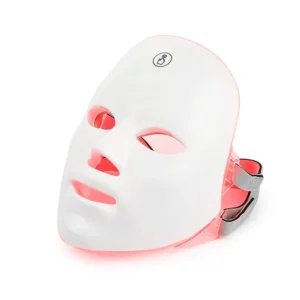
Rechargeable 7-Color LED Facial Mask
A rechargeable LED photon facial mask with seven color modes for at-home skincare routines. Lightweight and…