
Introducing a new skincare product is exciting—but it can also trigger irritation if you don’t plan the approach. A clear, step-by-step introduction reduces the risk of redness, stinging, breakouts, or barrier disruption while letting you evaluate whether a product truly benefits your skin.
This guide walks through practical steps you can apply immediately: patch testing, slow rollout schedules, smart layering, what actives to respect, and how to support your skin while trying new formulas.
Patch testing: the first small step
Before applying a new product to your face, do a patch test. Apply a pea-sized amount to a discreet area (behind the ear or inner forearm) for 24–48 hours and observe for redness, itching, swelling, or blistering. If you’re building a routine from multiple items, patch test each new product separately and record results in a notebook or photo log.
For guidance on choosing gentle options as you test, consider browsing our Skincare selection to compare ingredient lists and gentler formulations.
Start slow: a schedule that reduces risk
Introduce a single new product at a time and wait at least 1–2 weeks before adding another. For active treatments (exfoliants, acids, retinoids), follow a conservative ramp-up: once or twice the first week, increase frequency every 1–2 weeks as tolerated. This staggered approach helps you identify which item causes irritation if it occurs.
Layering and product order to minimize interactions
Proper order reduces irritation and improves efficacy. General morning and evening orders look like this:
- Cleanse
- Toner or watery essence
- Serums (lightest to heaviest)
- Treatment creams (retinoids, stronger actives applied thinly)
- Moisturizer
- SPF in the morning
Avoid stacking multiple strong actives in a single routine (for example, combining an AHA and a high-strength retinol the same night). If you want both, alternate nights or use one in the morning and one at night when appropriate.
Active ingredients to watch—and how to introduce them
Chemical exfoliants and brightening actives are effective but can cause irritation if introduced aggressively. Begin at low frequency and concentration, and always monitor your skin’s response. For example, salicylic acid can help congestion and redness when used gently; try a low-frequency application and increase only if the skin tolerates it.
Products like the Salicylic Acid Care Essence are formulated to balance exfoliation with hydration—consider using such balanced formulations when you’re testing an acid.
For brightening ingredients, niacinamide and kojic acid can be effective but may sensitize some skin types. Introduce brightening serums at low frequency and pair with barrier-supporting moisturizers to minimize irritation. A targeted option to evaluate slowly is the Kojic Acid + Niacinamide Brightening Serum.
Introducing retinol safely
Retinoids are powerful for aging and texture but commonly cause dryness, flaking, and irritation when first used. Start with a low-frequency schedule (once or twice weekly) and gradually build to every other night or nightly as tolerated. Apply retinol after your serum layer and before moisturizer to reduce friction and to help buffer its potency.
If you’re looking for a gentle retinol cream to start with, consider a formula like the Retinol + Collagen Face Cream — Moisturizing & Firming, and stop use immediately if you experience significant burning or swelling.
Support the skin barrier with hydration and gentle care
Hydration and barrier repair reduce the chance of irritation when you add new products. Look for low-sensitizing hydrating ingredients like hyaluronic acid, peptides, and ceramides. Layer hydrating essences or ampoules under moisturizers to maintain moisture levels and resilience. For instance, a concentrated hydrator such as the Hyaluronic Acid Ampoule Essence can be introduced early in a trial routine to bolster hydration.
Choose a non-stripping cleanser and a soothing moisturizer to use while testing actives. The JiYu NAD+ Hydrating Face Moisturizer — 50 ml is formulated to support hydration and barrier recovery and can be applied liberally if skin shows early signs of dryness or tightness.
Tools, devices, and how to introduce them
Tools like facial rollers, microcurrent devices, or dermaplaning instruments can amplify product absorption—and sometimes irritation. If you plan to add a device, introduce it only after your skin has adjusted to topical actives, and follow device instructions carefully. Browse our Beauty Tools & Devices collection for options and guidance on usage frequency.
LED and light therapy: extra caution for sensitive or reactive skin
At-home LED masks and phototherapy devices can support healing and rejuvenation but may not be appropriate while the skin is actively irritated from new products. Use LED devices sparingly during the introduction phase, and pause if you notice increased redness or heat. If you’re curious about home light therapy, the Portable 4‑Mode LED Red Light Therapy Face Mask is a compact option—introduce device sessions gradually and keep sessions gentle until tolerance is established.
What to do if irritation appears
If you experience persistent burning, sharp stinging, significant redness, swelling, or blistering, stop the new product immediately. Simplify your routine to a gentle cleanser, a fragrance-free moisturizer, and SPF in the daytime. Reintroduce products one at a time only after the skin fully calms—typically several days to a few weeks depending on severity.
Checklist: Introducing a new skincare product without irritation
- Patch test each new product 24–48 hours before face use.
- Add only one new product at a time; wait 1–2 weeks between additions.
- Start active ingredients at low frequency and low concentration.
- Use gentle cleanser and hydrating moisturizer to support the barrier.
- Avoid combining multiple strong actives on the same night.
- Introduce tools and devices only after topical products are tolerated.
- Pause and simplify if irritation occurs; document reactions.
FAQ
Q: How long should I wait before deciding a product suits me?
A: Give non-active products about 2–4 weeks. For actives like acids or retinoids, allow 6–12 weeks to evaluate benefits and tolerance as skin adjusts.
Q: Can I mix vitamin C with my other actives?
A: Vitamin C can be combined with some ingredients, but it can increase sensitivity when paired with strong exfoliants or retinoids. If you want both, introduce them separately and consider using vitamin C in the morning and retinoids at night.
Q: Are fragrance-free formulas better when testing new products?
A: Yes—fragrance is a common irritant. Choose fragrance-free or minimally fragranced products during testing to reduce false positives for irritation.
Q: My skin peeled lightly after starting an acid—should I stop?
A: Mild, superficial flaking can be a normal adjustment sign. Reduce frequency, increase hydration and barrier support, and pause if you experience pain, open sores, or persistent redness.
Q: When can I reintroduce a product that caused mild irritation?
A: Only after your skin has fully calmed. Reintroduce at lower frequency and smaller amount, and consider buffering by applying moisturizer before or after the active.
Conclusion
Introducing new skincare successfully is about small steps: patch test, add slowly, support the skin barrier, respect potent actives, and pause at the first signs of problematic irritation. With a cautious, evidence-based approach you’ll reduce setbacks and better identify products that truly improve your skin.
Products Featured in This Article

Hyaluronic Acid Ampoule Essence Deep Water Replenishment Intensive Repair Small Molecule Level Throwing Essence Original Solutio
Intensive hyaluronic acid ampoule serum with fullerene, niacinamide & six peptides for deep hydration. Suitable for…
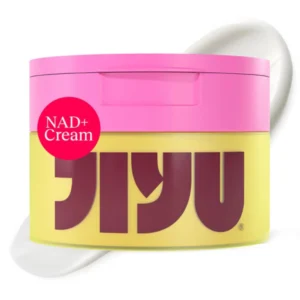
JiYu NAD+ Hydrating Face Moisturizer — 50 ml
A Korean daily moisturizer formulated with NAD+ to hydrate and brighten skin on the face and…

Kojic Acid + Niacinamide Brightening Serum
A targeted brightening serum formulated with kojic acid and niacinamide to address dark spots, freckles and…
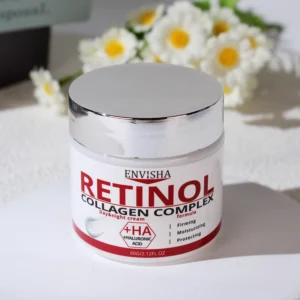
Retinol + Collagen Face Cream — Moisturizing & Firming
A facial cream marketed as a Retinol Collagen Complex to deliver deep moisture while improving the…
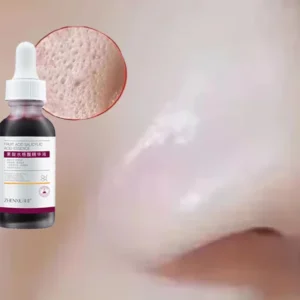
Salicylic Acid Care Essence Deep Hydration Gentle Nourishment Soothes Redness Smooths & Refines Firm Protection 2026
Deep hydration face serum with salicylic acid for gentle nourishment, soothing redness, and refining skin texture….

Portable 4‑Mode LED Red Light Therapy Face Mask
A lightweight, portable LED face mask with four selectable light modes, made for at-home red light…