
How to Care for Sensitive Skin Without Overcomplicating Your Routine
Sensitive skin responds to overuse, harsh ingredients, and complicated regimens. Simplicity plus thoughtful product choices keeps irritation low and results steady.
This guide lays out a practical, evidence-based approach you can follow today: fewer steps, gentle actives, and habits that support your skin barrier. If you prefer shopping by category as you refine your routine, start with our Skincare selection for gentle, tested options.
Understand what “sensitive” means for you
Sensitive skin is a description, not a diagnosis. It can mean redness, stinging, dryness, or flare-ups after certain products or environmental exposures. Track when reactions happen: after cleansing, with fragrance, during cold weather, or after new actives. That pattern helps you remove the true triggers while keeping helpful products.
Keep your routine minimal: the two-to-four step principle
For many people with sensitive skin, a short daily routine prevents overstripping and reduces risk. A basic framework is:
- Gentle cleanser (morning or night as needed)
- Hydrating layer (serum or ampoule)
- Moisturizer to repair and protect
- Sunscreen in the morning
Only add targeted treatments (retinoids, exfoliants) one at a time and at low frequency to test tolerance.
Cleansing: gentle but effective
Cleansers for sensitive skin should remove impurities without stripping lipids. Cream or lotion-based cleansers are often better than foaming ones. If you need a specific product that balances hydration and cleansing, consider the Shiseido Cleansing Cream — Hydrating, Oil-Control Face Wash, which is formulated to cleanse while preserving moisture.
Technique matters: use lukewarm water and gentle fingertip massage for 30–60 seconds, then rinse. Pat dry with a soft towel—no rubbing.
Hydration: bind water first
Start with humectants—ingredients that draw water into the skin—before occlusives. Hyaluronic acid-based ampoules or light serums are excellent for this. A concentrated option that focuses on deep water replenishment can be especially helpful; try the Hyaluronic Acid Ampoule Essence Deep Water Replenishment to add hydration without heavy oils that can feel heavy on irritated skin.
Apply humectants to damp skin to maximize uptake, then follow with a cream to seal in moisture.
Moisturizers and barrier repair
A moisturizer for sensitive skin should restore lipids and soothe. Look for formulas with ceramides, niacinamide, or peptides and avoid strong fragrances or harsh alcohols. For a balanced daily cream that supports both hydration and recovery, consider the JiYu NAD+ Hydrating Face Moisturizer — 50 ml.
Apply moisturizer twice daily if tolerated; consistent use strengthens the barrier and reduces reactive episodes.
Using active ingredients carefully
Actives like salicylic acid, retinol, and exfoliating acids can work for sensitive, acne-prone, or textured skin, but they must be introduced slowly. Start with low concentrations, once or twice per week, and increase only if there’s no irritation.
For gentle refining and to calm redness while offering exfoliation benefits, a mild essence with salicylic components can be useful—see the Salicylic Acid Care Essence Deep Hydration. Use it sparingly and always follow with moisturizer.
If you plan to use retinol or stronger actives, reserve them for nighttime and never layer multiple exfoliants on the same night.
Tools, devices, and when to use them
Some at-home devices can enhance results but also increase sensitivity if overused. Devices that promote circulation or deliver light therapy can be helpful when used per instructions and not on broken skin.
If you’re considering non-invasive devices, our Beauty Tools & Devices category lists options designed for safe home use. Always patch-test device sessions at low settings and keep sessions short.
At-home red light therapy: cautious benefits
Red light therapy is often marketed for healing and rejuvenation; some users with reactive skin find it soothing when used briefly. If you try it, select a reputable device and follow frequency guidelines. For a portable, consumer-friendly option, see the Portable 4‑Mode LED Red Light Therapy Face Mask. Start with low intensity and short sessions, and stop if you notice worsening redness or discomfort.
Lifestyle, triggers, and support
External factors—sleep, stress, diet, and environmental exposure—affect sensitivity. Small, consistent lifestyle changes reduce flare-ups: manage stress, avoid extreme temperatures, and protect skin from sun and pollution.
Self-care routines that support overall resilience pair well with topical care. Explore complementary options in our Wellness & Self-Care collection for items that help you maintain sleep, relaxation, and stress management.
Quick checklist for a simple sensitive-skin routine
- Use a gentle cleanser once or twice daily—avoid hot water and harsh scrubs.
- Apply a hyaluronic or humectant serum to damp skin.
- Seal with a barrier-supporting moisturizer morning and night.
- Introduce actives (salicylic, retinol, acids) slowly—one product at a time.
- Patch-test new products on the inside forearm for 48–72 hours.
- Limit product changes to one every 2–4 weeks to track reactions.
- Use devices sparingly and follow manufacturer instructions.
- Protect skin from sun daily with an appropriate sunscreen.
FAQ
-
How do I know if a product is causing sensitivity?
Stop new products when irritation starts. If redness, stinging, or burning appear soon after application and resolve when you stop, that product is likely the cause. Patch-testing helps prevent surprises.
-
Can sensitive skin use retinol or vitamin C?
Yes, but begin with low concentrations and slow schedules (e.g., every 3–4 nights). Consider gentler derivatives or formulations labeled for sensitive skin and always pair with a moisturizer.
-
Is fragrance always bad for sensitive skin?
Fragrances are common irritants. Unscented or fragrance-free products are safer choices for sensitive skin; if you prefer scent, choose products diluted adequately and test first.
-
How often should I exfoliate?
For sensitive skin, limit exfoliation to once weekly or less with mild formulas. Monitor skin response and reduce frequency if you notice irritation.
-
When should I see a dermatologist?
If inflammation is severe, persistent, or accompanied by infection, or if OTC strategies fail after several weeks, consult a dermatologist for personalized care.
Conclusion: one practical takeaway
Simplify: choose gentle cleanser, a hydrating serum, and a barrier-repairing moisturizer as your core trio. Introduce any active or device slowly, patch-test first, and watch your skin’s response. Consistency matters more than complexity.
Products Featured in This Article

Hyaluronic Acid Ampoule Essence Deep Water Replenishment Intensive Repair Small Molecule Level Throwing Essence Original Solutio
Intensive hyaluronic acid ampoule serum with fullerene, niacinamide & six peptides for deep hydration. Suitable for…
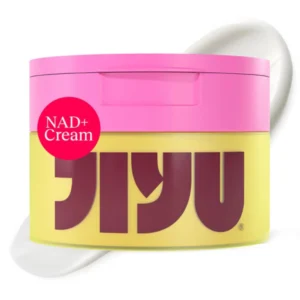
JiYu NAD+ Hydrating Face Moisturizer — 50 ml
A Korean daily moisturizer formulated with NAD+ to hydrate and brighten skin on the face and…
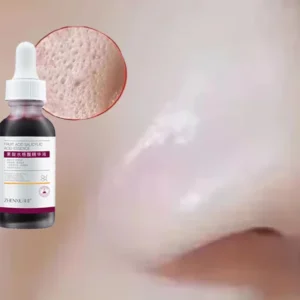
Salicylic Acid Care Essence Deep Hydration Gentle Nourishment Soothes Redness Smooths & Refines Firm Protection 2026
Deep hydration face serum with salicylic acid for gentle nourishment, soothing redness, and refining skin texture….
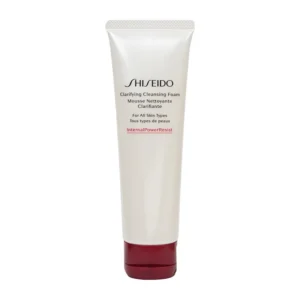
Shiseido Cleansing Cream — Hydrating, Oil-Control Face Wash
A creamy facial cleanser from Shiseido that combines hydrating, deep-cleansing action with oil-control and brightening properties….

Portable 4‑Mode LED Red Light Therapy Face Mask
A lightweight, portable LED face mask with four selectable light modes, made for at-home red light…