
Healthy-looking hair starts with a simple, consistent routine—not dozens of products. Whether your hair is fine, curly, color-treated or low-maintenance, a focused approach that covers cleansing, conditioning, protection and occasional treatment will deliver better results than overloading on products.
This guide breaks down an easy-to-follow hair-care routine with practical tips you can use right away. Each section includes product- and tool-focused suggestions so you can build a routine that fits your schedule and budget.
1. Know your hair and scalp
Start by identifying two things: your hair type (fine, medium, coarse; straight, wavy, curly) and your scalp condition (oily, normal, dry, sensitive). These determine product choices and wash frequency. For example, fine hair often benefits from lighter formulas while curly hair usually needs richer conditioning.
If you want to explore categories tailored to hair concerns, check curated options under Hair Care to compare shampoos and conditioners by concern and texture.
2. The core routine: shampoo, condition, rinse
Keep your daily routine to the essentials. Cleanse with a gentle shampoo targeted to your scalp condition—clarifying if you use heavy styling products, moisturizing if your hair or scalp is dry. Follow with a conditioner applied mainly to mid-lengths and ends to avoid weighing down roots.
Technique matters: use lukewarm water to open the cuticle during conditioning, then finish with a cool rinse to help seal it. Limit shampooing frequency based on scalp oiliness—every other day or every few days is common.
3. Weekly treatments: mask, oil, or deep conditioner
Add one focused treatment per week to maintain health and manage specific problems like breakage, dullness, or frizz. A deep-conditioning mask or an overnight oil treatment can revive porous or chemically treated hair.
For natural options and multiuse products (scalp, hair, and body), consider the 12‑Piece Skin Care Blend Essential Oils Set—some oils are well-suited as occasional pre-wash treatments or added to masks (always patch-test and dilute oils before use).
4. Styling, detangling and heat protection
Minimize daily heat by embracing air-drying, protective styles, or low-heat settings. When you do use heat tools, always apply a heat protectant and keep temperature moderate—lower for fine hair, slightly higher for coarse hair.
Choose detangling methods gently: wide-tooth combs or a detangling brush on wet hair with conditioner in the hair reduces breakage. For tools and gadgets that help styling and care, browse Beauty Tools & Devices to find brushes, heat tools and care devices suited to your routine.
5. Scalp care: the overlooked foundation
A healthy scalp supports healthier-looking hair. Keep the scalp clean, exfoliate occasionally if you have buildup, and use lightweight serums or treatments for dryness or irritation. Avoid harsh scrubs; instead use gentle chemistry or a soft brush for massage to increase circulation.
Because the scalp and face are connected in terms of product formulation and sensitivity, it’s useful to review products from the Skincare category when considering gentle actives and soothing ingredients that work for sensitive scalps too.
6. Lifestyle factors that actually move the needle
Hair reflects overall health. Prioritize sleep, manage stress, hydrate and eat a balanced diet with sufficient protein, iron and healthy fats. Supplements can help in some cases, but they aren’t a cure-all—discuss options with a professional if you suspect deficiencies.
For relaxation and self-care support that complements hair routines (scalp massages, stress relief), explore products in Wellness & Self-Care to build a holistic habit around hair health.
7. How to choose products without creating clutter
Be selective: one reliable shampoo, one conditioner, a leave-in/heat protectant, and a weekly treatment are enough for most people. Look for multiuse formulations when short on shelf space or budget (e.g., leave-ins that also detangle and protect).
If you’re experimenting, start small—try sample sizes or new launches rather than full bottles. See current options under New Arrivals and compare with popular picks in Best Sellers to find a balance of innovation and crowd-tested results.
8. Buying, storage and practical upkeep
Buy from sellers with transparent shipping and return policies so you can test risk-free. Store products away from direct heat and sunlight to preserve actives. Track expiration dates—most open products last 6–12 months depending on preservatives.
For shoppers inside the U.S., note options that offer quick delivery; reliable logistics help you maintain routine consistency—check Fast U.S. Shipping when timing matters.
Quick routine checklist
- Identify hair type and scalp condition
- Choose a gentle shampoo and a matching conditioner
- Use a weekly mask or oil treatment
- Apply heat protectant before styling
- Massage scalp 1–2 times weekly for circulation
- Eat a balanced diet and manage stress
- Rotate products thoughtfully—avoid over-accumulation
FAQ
Q: How often should I wash my hair?
A: It depends on scalp oiliness and activity level. Oily scalps may need every other day; dry scalps can often go 3–5 days. Adjust based on how your hair feels and looks.
Q: Are silicone-containing products bad for hair?
A: Silicones can smooth and protect hair temporarily. If buildup occurs, use a clarifying shampoo occasionally. Choose formulations based on desired finish and how easily your hair clarifies.
Q: Can I use face oils or serums on my hair?
A: Some lightweight facial oils can be used sparingly on ends, but hair-specific oils are formulated differently. For versatile, multipurpose options, consider items like essential oil blends designed for hair and skin, used appropriately.
Q: How do I prevent breakage while detangling?
A: Detangle with conditioner or a leave-in, work from ends toward roots, use a wide-tooth comb or detangling brush, and avoid towel-rubbing—pat or squeeze excess water with a microfiber towel or cotton T-shirt.
Q: When should I see a professional?
A: If you notice sudden, significant shedding, scalp inflammation, or rapid color/texture changes, consult a hairstylist or healthcare professional to rule out underlying causes.
Conclusion — One practical takeaway
Build a short, consistent foundation: a suitable shampoo, a matching conditioner, a weekly treatment and heat protection. Keep it simple, assess results every 6–8 weeks, and swap only one product at a time so you can tell what’s working. For targeted tools and product categories, use the site sections above to refine choices and maintain a routine that’s easy to stick with.
To explore tailored product options referenced above, visit the relevant categories and items noted in this guide and pick the ones that match your hair’s needs.
Products Featured in This Article
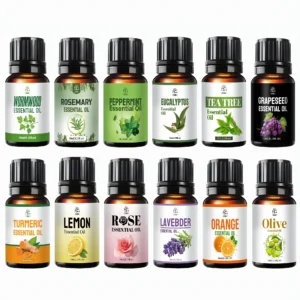
12‑Piece Skin Care Blend Essential Oils Set — Fragrant Multiuse Oils
A 12‑piece collection of essential oil blends made from natural plant extracts, presented for massage, facial,…