
Simple Ways to Make Your Makeup Last Longer
Long-lasting makeup isn’t about piling on product—it’s about a few smart steps that create a durable base, lock pigment in place, and keep skin comfortable all day. Whether you have a busy workday, long event, or humid climate, small changes in prep and application make a big difference.
This guide gives practical, reliable techniques you can use now: from skin prep and tools to setting and nighttime care. Follow these steps to make your look stay fresh without constant touch-ups.
1. Start with clean, balanced skin
Makeup adheres best to skin that’s clean and without excess oil, dead cells, or lingering residue. A quick double-cleanse in the evening and a gentle morning cleanse remove buildup and create a smooth base for primers and foundations. If you’re building a routine, explore solid options in the Skincare category to find gentle cleansers and mild exfoliants that suit your skin type.
2. Hydrate appropriately — not too much, not too little
Well-hydrated skin holds makeup better, but heavy creams can cause slippage. Use a lightweight, fast-absorbing hydrator on the morning of application. For targeted hydration that sinks in quickly and supports foundation longevity, consider a concentrated serum like the Hyaluronic Acid Ampoule Essence; it provides moisture without a heavy film so makeup layers sit evenly.
3. Choose primers and long-wear formulas
Primers are often the unsung heroes of longevity. Silicone-based primers can smooth texture and fill fine lines, while hydrating primers work better for dry skin. Likewise, pick foundations and color products labeled long-wear, transfer-resistant, or waterproof for areas that rub most. For product variety and makeup-specific formulations, check selections in the Makeup category.
4. Use the right tools and clean them regularly
Tools affect how evenly product is applied and how well it blends into the skin. Dense brushes and damp sponges can press foundation into the skin for better adhesion; fluffy brushes are ideal for powders and bronzers. Keep brushes and sponges clean—oil and pigment buildup lead to patchy application. Explore professional options at Beauty Tools & Devices to upgrade or replace old tools.
5. Apply in thin layers and build coverage
Heavy single layers are more likely to crease or flake. Apply foundation and concealer in thin layers, blending each layer before adding more where needed. Use small amounts around oily zones (T-zone) and thin layers on the under-eye and smile lines to avoid settling. For cream products, press them into the skin with a sponge rather than dragging, which helps adherence.
6. Set strategically — powder and spray
Setting is twofold: use a translucent powder where oil breaks through (usually T-zone, under-eyes if creasing, and around nostrils), and finish with a light misting of setting spray to melt powders into skin for a natural, long-lasting finish. Micro-fine powders minimize cakiness; dust lightly and focus on areas that crease. If you’re shopping for tried-and-true crowd favorites and must-have setting products, see curated picks in the Best Sellers collection.
7. Touch-up smartly during the day
Carry blotting papers rather than layering more powder when shine appears—press to absorb oil without disrupting makeup. For micro-fixes, a tiny dab of concealer with a synthetic brush can cover a rubbing or smudge without starting over. Keep multipurpose products (stick concealer or small translucent powder) in your bag for fast, low-effort touch-ups.
8. Remove properly and support skin overnight
Longevity depends on skin health. Always remove makeup thoroughly to prevent pore congestion and irritation that can affect future application. Use a gentle but effective cleanser that dissolves makeup without stripping skin—options like the Shiseido Cleansing Cream give deep cleansing while keeping skin balanced. After cleansing, support repair with a nourishing night serum to replenish barrier lipids and hydration; consider an effective serum such as the Estee Lauder Advanced Night Repair Face Serum to help skin recover overnight so makeup applies better the next day.
9. Update products seasonally
Changes in humidity and temperature affect which formulas work best. Swap heavier, creamier products for lighter formulations in hot months and reintroduce richer hydrators in winter. If you want to try new long-wear or seasonal items, browse the New Arrivals to test trending textures and finishes that might improve your daily routine.
Checklist: Quick Routine for Long-Lasting Makeup
- Cleanse and tone to remove oils and residue.
- Apply lightweight hydrator/serum and allow to absorb.
- Use a primer suited to your skin type (mattifying for oily, hydrating for dry).
- Apply foundation in thin layers; blend with clean tools.
- Set oily areas with a light dusting of translucent powder.
- Finish with a fine mist setting spray and blot, don’t powder, during the day.
- Remove makeup fully each night and use a restorative night serum.
FAQ
Q: How often should I clean my makeup brushes?
A: Clean face brushes and sponges at least once a week; eye brushes every two weeks. Frequent cleaning prevents buildup that causes patchy application.
Q: Can I use moisturizer instead of primer?
A: A lightweight moisturizer can substitute for primer in some cases, but primers offer additional texturizing and oil-control benefits that improve wear time.
Q: Will setting spray make my makeup waterproof?
A: Setting spray can reduce transfer and improve longevity, but “waterproof” depends on product formulation. Use water-resistant formulas for high-exposure activities.
Q: Should I change my routine for humid weather?
A: Yes—switch to mattifying primers, lighter foundations, and powder set where needed. Blotting papers are especially helpful in humidity.
Q: How can I prevent foundation from settling into fine lines?
A: Use minimal product in those areas, apply thin layers, and blend gently. A lightweight, hydrating primer helps create a smoother canvas.
Conclusion
Making makeup last longer is about preparation, product choice, and technique. Clean, hydrated skin; thin, well-blended layers; the right tools; and targeted setting will keep your look fresh with minimal touch-ups. Start with one or two changes from this list and build a routine that fits your lifestyle.
Products Featured in This Article

Hyaluronic Acid Ampoule Essence Deep Water Replenishment Intensive Repair Small Molecule Level Throwing Essence Original Solutio
Intensive hyaluronic acid ampoule serum with fullerene, niacinamide & six peptides for deep hydration. Suitable for…
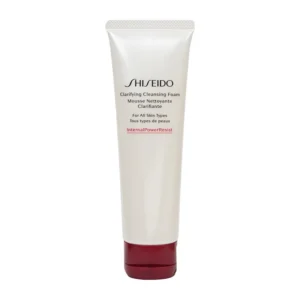
Shiseido Cleansing Cream — Hydrating, Oil-Control Face Wash
A creamy facial cleanser from Shiseido that combines hydrating, deep-cleansing action with oil-control and brightening properties….
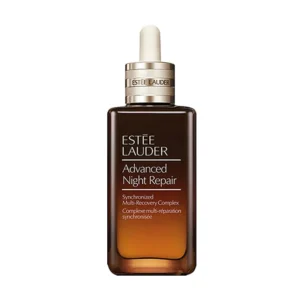
Estee Lauder Advanced Night Repair Face Serum
A nightly face serum from Estée Lauder marketed for hydration, firming and brightening. Indexed as the…