
Simple Skincare Tips for Dry and Dehydrated Skin
Dry and dehydrated skin are common, uncomfortable, and often confused. With the right routine and product choices, you can restore comfort, improve texture, and prevent chronic tightness and flakiness without overcomplicating your life.
If you want to explore curated options as you read, check the site’s essentials in the Skincare category for gentle, hydrating picks that pair well with the tips below.
Dry vs. Dehydrated: Know the difference
Dry skin is a skin type driven by lower oil (sebum) production and often needs richer emollients. Dehydrated skin is a condition caused by a lack of water in the skin and can affect any skin type. Signs of dryness include roughness and flaking; signs of dehydration include tightness, fine lines that look more pronounced, and a dull, tired appearance.
Learn which you have by noting seasonal patterns, how skin responds to oil-based products, and how it feels after hydration. That diagnosis determines whether you prioritize barrier-repair emollients or humectant-rich hydration.
Gentle cleansing: Less is more
Frequent hot-water washing and harsh foaming cleansers strip natural oils and increase water loss. Use a gentle, low-foam cleanser once or twice daily and rinse with lukewarm water. When exfoliating, choose mild chemical or enzyme options rather than abrasive scrubs.
For a gentle exfoliation and hydration boost that won’t over-strip, consider an essence formulated to soothe and hydrate while refining texture, such as the Salicylic Acid Care Essence. It’s designed to support smoother skin without aggressive drying.
Serums and humectants: Attract and hold water
Humectants like hyaluronic acid, glycerin, and sodium PCA draw water into the outer skin layers. Apply them onto damp skin to maximize uptake. Layer lightweight humectant serums under a moisturizer to trap that moisture.
A concentrated hyaluronic treatment can be especially effective for dehydrated skin. Consider adding a small-molecule hyaluronic ampoule to your routine to quickly improve surface hydration and plump fine lines: Hyaluronic Acid Ampoule Essence.
Moisturizers and occlusives: Seal that hydration
After humectants, use an emollient-rich moisturizer to restore lipids and an occlusive to lock in moisture overnight if needed. Look for creams with ceramides, fatty acids, glycerin, and occlusives like squalane or dimethicone—these ingredients reduce transepidermal water loss and rebuild the barrier.
For a reliable daily moisturizer that supports hydration and skin resilience, try the JiYu NAD+ Hydrating Face Moisturizer — 50 ml, which is formulated to hydrate and fortify the skin’s surface.
Targeted treatments and barrier repair
Beyond hydration, strengthen the skin’s natural barrier with antioxidant and barrier-supporting serums. Niacinamide, ceramides, panthenol, and peptides help reduce inflammation, improve lipid synthesis, and increase resilience to environmental stressors.
If you want a treatment serum to support overall skin immunity and barrier repair alongside hydration, consider a formula designed to boost skin defense and hydration like the Shiseido Ultimune Power Infusing Concentrate IV. Use such serums before moisturizer, morning and/or night as directed.
Brightening, peptides and gentle actives
Peptides and mild hydrating serums can improve texture and support collagen without drying skin. If discoloration or dullness accompanies dryness, pair hydrating humectants with brightening agents formulated for sensitive or dry skin.
A hyaluronic-plus-peptide formula can hydrate while supporting skin tone and elasticity; a balanced option is the Hyaluronic Acid & Peptide Brightening Face Serum, which combines hydration with peptides to address both moisture and tone.
Body care: Don’t forget hands, arms, legs
Dry patches on the body need similar care: shower with cooler water, pat dry, and apply a lotion or cream immediately to lock in moisture. Use richer creams on elbows and feet and consider occlusive balms for overnight repair.
For daily full-body maintenance, a multi-vitamin lotion that hydrates and helps reduce spots can be useful; try the AILKE Multi-Vitamin Body Lotion for added nourishment on body areas prone to dryness.
Tools and supportive devices: When to add them
At-home devices like LED masks can complement topical routines by supporting skin repair and circulation. Use them as directed and don’t rely on devices alone—combine with consistent hydration and barrier repair products.
If you’re considering a tool to enhance repair and reduction of inflammation, the Portable 4‑Mode LED Red Light Therapy Face Mask is designed for home use and can be integrated into a gentle nightly routine after cleaning and before moisturizer.
Daily checklist for dry or dehydrated skin
- Cleanse gently once or twice daily with a mild, non-stripping cleanser.
- Apply humectant-based serum to damp skin (hyaluronic acid or similar).
- Layer a nourishing moisturizer while skin is still slightly damp.
- Use an occlusive or richer cream at night if you have persistent moisture loss.
- Limit exfoliation to 1–2 times per week with mild acids; avoid physical scrubs.
- Protect skin from harsh weather; use sunscreen daily to prevent additional water loss and damage.
- Hydrate from the inside—drink water regularly and manage heating/air conditioning exposure.
FAQ
Q: How can I tell if my skin is dehydrated rather than dry?
A: Dehydrated skin feels tight and shows more pronounced fine lines but may still produce oil; dry skin consistently lacks oil and flakes. Track reactions to oils and how your skin behaves after hydrating treatments to tell the difference.
Q: Can I use hyaluronic acid with retinol?
A: Yes—apply hyaluronic acid first to hydrate, then a retinol product (if tolerated) and follow with a moisturizer. Start retinol slowly and watch for irritation; hydration minimizes retinol-related dryness.
Q: How often should I exfoliate with dry/dehydrated skin?
A: Limit exfoliation to 1–2 times per week with gentle chemical exfoliants. Avoid daily scrubbing or high concentrations that strip lipids and worsen moisture loss.
Q: Are oils helpful for dehydrated skin?
A: Oils can help seal in moisture and replenish lipids, especially when applied after a humectant and moisturizer. If you have acne-prone skin, choose non-comedogenic oils and patch test first.
Q: When should I see a dermatologist?
A: If dryness, cracking, or discomfort is severe, persistent, or accompanied by bleeding, infection, or significant changes in appearance, consult a dermatologist for tailored care and diagnosis.
Conclusion
Focus on restoring and preserving skin water content: gentle cleansing, humectants applied to damp skin, barrier-repair moisturizers, and occasional targeted treatments. Small, consistent changes—right products, layering, and protection—deliver the dependable improvement dry or dehydrated skin needs.
Products Featured in This Article

Hyaluronic Acid Ampoule Essence Deep Water Replenishment Intensive Repair Small Molecule Level Throwing Essence Original Solutio
Intensive hyaluronic acid ampoule serum with fullerene, niacinamide & six peptides for deep hydration. Suitable for…
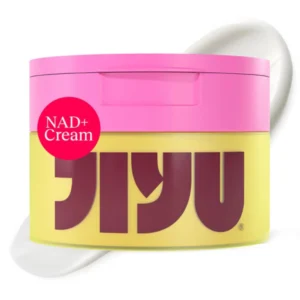
JiYu NAD+ Hydrating Face Moisturizer — 50 ml
A Korean daily moisturizer formulated with NAD+ to hydrate and brighten skin on the face and…
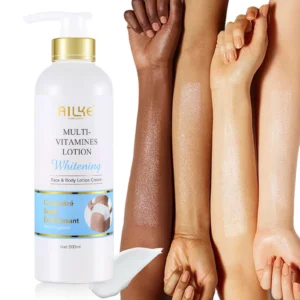
AILKE Multi-Vitamin Body Lotion, Whiten, Brighten, Remove Dark Spots, Hyperpigmentation, Moisturizes, Smoothes & Antioxidant
Buy AILKE Multi-Vitamin Body Lotion, Whiten, Brighten, Remove Dark Spots, Hyperpigmentation, Moisturizes, Smoothes & Antioxidant at…
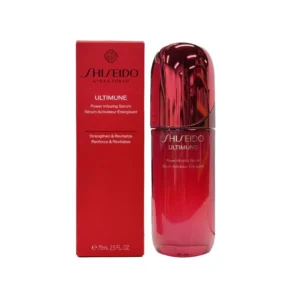
Shiseido Ultimune Power Infusing Concentrate IV Face Serum Strengthen Skin Barrier Boost Immunity Hydrate Repair Dull
Buy Shiseido Ultimune Power Infusing Concentrate IV Face Serum Strengthen Skin Barrier Boost Immunity Hydrate Repair…
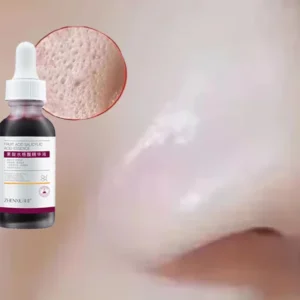
Salicylic Acid Care Essence Deep Hydration Gentle Nourishment Soothes Redness Smooths & Refines Firm Protection 2026
Deep hydration face serum with salicylic acid for gentle nourishment, soothing redness, and refining skin texture….
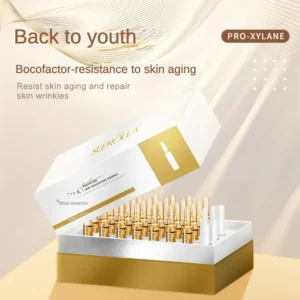
Hyaluronic Acid & Peptide Brightening Face Serum
A nourishing, hydrating face serum formulated with hyaluronic acid and peptides to brighten skin, help minimize…

Portable 4‑Mode LED Red Light Therapy Face Mask
A lightweight, portable LED face mask with four selectable light modes, made for at-home red light…