
Choosing the right cleanser is the cornerstone of an effective skincare routine. The best cleanser removes dirt, oil, and makeup without stripping your skin’s natural barrier—so matching formula to skin type matters more than marketing claims.
In this guide you’ll learn how to identify your skin type, which cleanser textures and ingredients work best for each type, and simple rules for using cleansers effectively. If you’re shopping for options, start from the broad Skincare category to compare formulas and find targeted products.
Know your skin type (and how to test it)
Before picking a cleanser, identify whether your skin is oily, acne-prone, dry, sensitive, combination, or mature. A quick at-home test: wash your face with a gentle cleanser, pat dry, wait 30–60 minutes, then observe. Tightness and flaking signal dry; shine across the T-zone indicates combination; widespread oiliness means oily skin; redness or stinging points to sensitivity.
Consider a professional or device-based assessment if you’re unsure—the 3D AISIA-Q2 Skin Analyzer Machine is one tool salons and clinics use to map hydration, pores, and pigmentation for personalized recommendations.
How cleansers work: surfactants, oil-soluble vs water-soluble
Cleansers remove impurities using surfactants (detergents), oils, or a mix of both. Foam and gel cleansers rely on stronger surfactants to lift oil and debris—effective for oily skin but potentially drying. Cream, balm, or oil cleansers dissolve makeup and sunscreen gently and are ideal for dry or sensitive skin. Micellar water uses tiny micelles to attract dirt without rinsing aggressively.
Best cleansers for oily and acne-prone skin
If you have oily or acne-prone skin, look for water-based foams or gels with gentle exfoliating or oil-regulating ingredients. Salicylic acid (BHA) penetrates pores, reduces sebum and helps exfoliate inside the follicle; niacinamide regulates oil production and soothes inflammation.
Avoid harsh, high-foaming detergents and frequent hot-water washing, which can trigger excess oil production. You can follow a targeted cleanser with a leave-on treatment—products like the Salicylic Acid Care Essence are formulated to gently hydrate while addressing blemish-prone textures.
Best cleansers for dry or sensitive skin
Dry and sensitive skin benefit from creamy, milky, or balm cleansers that prioritize hydration and barrier support. Ingredients such as glycerin, hyaluronic acid, ceramides, and gentle nonionic surfactants maintain moisture while cleansing. Fragrance-free formulations reduce irritation risk.
For intensive hydration, consider pairing cleansing with a hydrating serum or ampoule. A concentrated option like the Hyaluronic Acid Ampoule Essence helps restore water content after cleansing without weighing skin down.
Combination and normal skin: flexible strategies
Combination skin often needs a two-pronged approach: gentle foaming or gel cleansers for the T-zone and milder cream cleansers for cheeks. Double-cleansing (oil-based first, water-based second) is effective when removing sunscreen or makeup: the first step dissolves makeup, the second cleanses pores.
For everyday maintenance, choose a balanced, pH-friendly cleanser that removes impurities without leaving a squeaky-feeling finish. If you use active serums later, keep the cleanser simple so actives penetrate more predictably.
Cleansers for mature skin and barrier support
Mature skin tends to be drier and thinner; prioritize low-foaming, cream or oil cleansers to protect elasticity and barrier lipids. Look for cleansers that include antioxidants and barrier-support ingredients to help reduce transepidermal water loss.
After cleansing, support anti-aging routines with a strengthening serum like Shiseido Ultimune Power Infusing Concentrate, which is designed to reinforce barrier function and enhance hydration before moisturizers and targeted treatments.
Practical ingredient guide: what to look for and avoid
Look for:
- Glycerin, hyaluronic acid, and ceramides for hydration.
- Salicylic acid for oily, acne-prone skin.
- Niacinamide for barrier support and oil regulation.
- Mild surfactants (cocamidopropyl betaine, decyl glucoside) for sensitive skin.
Avoid or minimize:
- High concentrations of sodium lauryl sulfate (SLS) and harsh alcohols that strip and irritate.
- Heavy fragrance and unnecessary essential oils on reactive skin.
How to cleanse correctly: timing and technique
Use lukewarm water and gentle circular motions. Don’t overwash—twice daily is enough for most people; once nightly if you wear heavy makeup. If you’re double-cleansing, start with an oil or balm cleanser to dissolve makeup and follow with a gentle water-based cleanser. Rinse thoroughly and pat dry.
For devices and tools that enhance cleansing or treatment absorption, explore Beauty Tools & Devices to find facial brushes and LED devices—but use them sparingly and with gentle cleansers to avoid irritation.
When to switch cleansers and patch testing
Switch if you notice persistent dryness, increased breakouts, tightness, or redness after several weeks. When trying a new formula, patch test on a small area for 48–72 hours and introduce new actives slowly into your routine.
If you’re browsing options, the Shiseido Cleansing Cream is an example of a hydrating cleanser formulated to balance oil control and moisture—useful as a reference point when comparing textures.
Checklist: Choosing your cleanser
- Identify your skin type with the at-home test above.
- Match texture: gel/foam for oily, cream/balm for dry, gentle gel or cream for combination.
- Check key ingredients (salicylic acid, hyaluronic acid, ceramides, niacinamide).
- Avoid harsh sulfates and added fragrance for sensitive skin.
- Patch test new products and monitor for 2–4 weeks.
- Consider complementary serums or tools from reliable collections like our Best Sellers.
FAQ
- How often should I cleanse? Twice daily is standard—morning to remove oils and impurities from overnight, and evening to remove makeup and pollutants. Adjust to once nightly if skin is very dry.
- Can oily skin use cream cleansers? Yes—light, non-comedogenic cream cleansers can work for oily skin if they don’t leave a heavy residue. Balance with salicylic acid treatments as needed.
- Is double-cleansing necessary? It’s helpful if you wear sunscreen or heavy makeup. An oil-based first cleanse followed by a water-based cleanser ensures thorough removal without excessive tugging.
- How do I avoid irritation when trying new cleansers? Patch test and introduce new products slowly. Use lukewarm water and avoid vigorous rubbing. If irritation persists, stop use and consult a dermatologist.
- Can a cleanser replace a moisturizer? No—cleansers remove impurities. Follow with hydrating serums and moisturizers to replenish and lock in moisture.
Conclusion
Choosing the right cleanser starts with your skin type and ends with consistent, gentle use. Select a texture and ingredient set that supports your skin’s needs, patch test new options, and layer targeted serums for best results. If you need curated options, explore our New Arrivals to find recently vetted products and compare formulas that match your routine.
Products Featured in This Article

Hyaluronic Acid Ampoule Essence Deep Water Replenishment Intensive Repair Small Molecule Level Throwing Essence Original Solutio
Intensive hyaluronic acid ampoule serum with fullerene, niacinamide & six peptides for deep hydration. Suitable for…
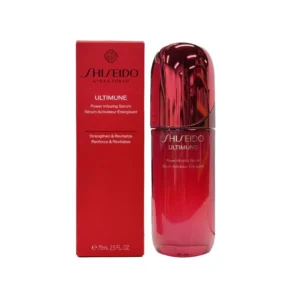
Shiseido Ultimune Power Infusing Concentrate IV Face Serum Strengthen Skin Barrier Boost Immunity Hydrate Repair Dull
Buy Shiseido Ultimune Power Infusing Concentrate IV Face Serum Strengthen Skin Barrier Boost Immunity Hydrate Repair…

3D AISIA-Q2 Skin Analyzer Machine, Portable Facial Scanner, 110V/220V
Discover the MYOSLIM 3D AISIA-Q2 Skin Analyzer Machine – portable, CE & RoHS certified, 110V/220V dual…
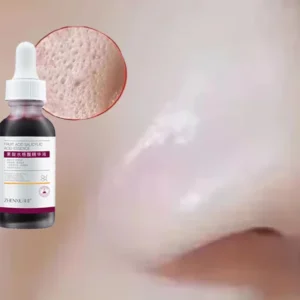
Salicylic Acid Care Essence Deep Hydration Gentle Nourishment Soothes Redness Smooths & Refines Firm Protection 2026
Deep hydration face serum with salicylic acid for gentle nourishment, soothing redness, and refining skin texture….
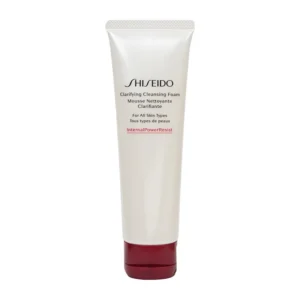
Shiseido Cleansing Cream — Hydrating, Oil-Control Face Wash
A creamy facial cleanser from Shiseido that combines hydrating, deep-cleansing action with oil-control and brightening properties….