
A Beginner’s Guide to Understanding Your Skin Type
Knowing your skin type is the foundation of any effective skincare routine. When you match products and habits to how your skin behaves, you reduce irritation, improve results, and save time and money.
This guide walks you through the common skin types, simple tests you can do at home, how to choose products, and practical daily routines so you can build a consistent, effective plan. If you’re ready to stop guessing and start caring for your skin intentionally, this is for you.
Why knowing your skin type matters
Your skin type determines how it reacts to cleansers, acids, oils, and moisturizers. For example, a heavy occlusive cream that helps someone with dry skin will likely clog the pores of an oily person. To explore suitable product categories and basic essentials, start by browsing the main Skincare collection for ideas and ingredient-focused options.
The five basic skin types — what to expect
Most experts categorize skin into five types: normal, dry, oily, combination, and sensitive. Each has hallmark signs:
- Normal: Balanced oil and moisture, few imperfections, good circulation.
- Dry: Tightness, flakiness, visible fine lines, may feel rough.
- Oily: Shine within hours of cleansing, large pores, prone to acne and blackheads.
- Combination: Oiliness in the T-zone (forehead, nose, chin) and dryer cheeks.
- Sensitive: Prone to redness, stinging, or allergic reactions to new products.
How to test your skin type at home
Two simple tests will give you clear clues:
- Cleanse your face with a gentle cleanser, wait one hour without applying products. Observe oiliness, tightness, and visible flakes.
- Use a blotting sheet or tissue pressed on the forehead, nose, chin, and cheeks. If the sheet picks up oil from all areas, skin is oily; only the T-zone suggests combination; little or no oil suggests dry or normal.
If you want a deeper scan of hydration and pore mapping, a device like the 3D AISIA-Q2 Skin Analyzer Machine, Portable Facial Scanner, 110V/220V can be useful for a detailed baseline, though it’s optional for beginners.
Daily routine basics by skin type
All skin types benefit from a simple core routine: cleanse, treat (targeted actives), moisturize, and protect (SPF in the morning). The difference is product selection and texture.
- Dry: Use creamy, hydrating cleansers and richer moisturizers. Look for humectants like hyaluronic acid and occlusives like ceramides.
- Oily: Lightweight gel or foam cleansers, non-comedogenic moisturizers, and oil-control ingredients.
- Combination: Blend textures—lighter gels for the T-zone, richer creams or targeted serums on dry areas.
- Sensitive: Minimalist routines with fragrance-free, soothing ingredients and patch testing new products.
Targeted solutions for common concerns
Once you identify your type, address probable concerns directly:
- Hydration and barrier repair (dry or compromised skin): Consider richer daily moisturizers formulated for deep hydration; a good option for overall hydration is JiYu NAD+ Hydrating Face Moisturizer — 50 ml, which targets moisture and radiance.
- Acne and congestion (oily or acne-prone): Salicylic acid helps unclog pores and reduce buildup. For a targeted essence that helps refine pores while hydrating, try Salicylic Acid Care Essence Deep Hydration Gentle Nourishment Soothes Redness Smooths & Refines Firm Protection 2026.
- Fine lines and firmness (mature or aging-prone): Retinoids and peptides work well. A balanced nightly cream such as Retinol + Collagen Face Cream — Moisturizing & Firming can help with texture and elasticity when introduced gradually.
- Hyperpigmentation and uneven tone: Brightening actives like kojic acid and niacinamide can reduce dark spots over time. A product option is Kojic Acid + Niacinamide Brightening Serum, used consistently and with sunscreen in the day.
- Barrier strengthening and immunity: For skin prone to redness and sensitivity related to a compromised barrier, serums designed to strengthen skin can help; consider a protective concentrate like Shiseido Ultimune Power Infusing Concentrate IV Face Serum Strengthen Skin Barrier Boost Immunity Hydrate Repair Dull as part of a supportive routine.
Ingredients to keep and avoid depending on type
Understanding ingredients prevents common mistakes:
- Keep for dry: Hyaluronic acid, ceramides, glycerin, plant oils.
- Keep for oily: Salicylic acid, niacinamide, lightweight hyaluronic acid, clay masks occasionally.
- Avoid for sensitive: High concentrations of fragrance, strong alcohols, and multiple active acids at once.
- Introduce slowly: Retinoids and strong exfoliating acids—start low frequency to monitor tolerance.
Tools and devices that help understanding and improving your skin
Basic at-home tools can aid routine adherence and results. For mapping and data-driven tracking, consider a diagnostic tool like the 3D AISIA-Q2 Skin Analyzer Machine, Portable Facial Scanner, 110V/220V. For devices and accessories that support home treatments and consistency, explore the Beauty Tools & Devices category to find masks, LED therapies, and applicators that suit your goals.
Checklist: Quick steps to identify and care for your skin
- Do the blotting-tissue test after cleansing and one hour of no products.
- Note how your skin feels: tight, shiny, or balanced.
- Start a simple AM/PM routine: gentle cleanser, targeted treatment, moisturizer, SPF (AM).
- Introduce one active at a time and patch-test for 7–10 days.
- Track changes weekly and adjust based on hydration, irritation, and clarity.
FAQ
- Q: How often should I moisturize?
A: Twice daily is ideal for most skin types—morning and night. Oily skin can use lighter gels while dry skin benefits from richer creams. - Q: Can my skin type change?
A: Yes. Hormones, climate, age, and lifestyle can shift your skin. Reassess seasonally or after major changes (pregnancy, meds). - Q: Should I use active ingredients together?
A: Introduce one active at a time. Some combinations (like retinol + strong acids) can be too irritating; use them on alternate nights if needed. - Q: How important is sunscreen?
A: Essential. Sunscreen prevents hyperpigmentation and premature aging regardless of skin type. - Q: When should I see a dermatologist?
A: Seek professional advice for persistent acne, sudden rashes, unexplained pigment changes, or if OTC approaches fail.
Conclusion — one practical takeaway
Start simple: identify your skin using the at-home tests, build a basic AM/PM routine, and introduce targeted products slowly. Use hydration and barrier repair as first-line strategies for most concerns, and add actives like salicylic acid, retinoids, or brighteners only after confirming tolerance. When in doubt, track progress and adjust rather than overloading your skin with products.
Products Featured in This Article
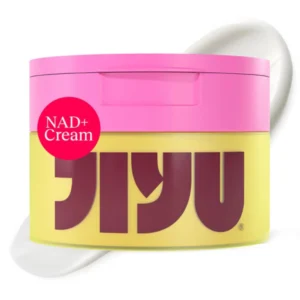
JiYu NAD+ Hydrating Face Moisturizer — 50 ml
A Korean daily moisturizer formulated with NAD+ to hydrate and brighten skin on the face and…

Kojic Acid + Niacinamide Brightening Serum
A targeted brightening serum formulated with kojic acid and niacinamide to address dark spots, freckles and…
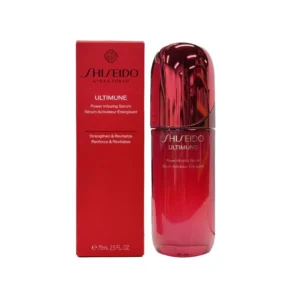
Shiseido Ultimune Power Infusing Concentrate IV Face Serum Strengthen Skin Barrier Boost Immunity Hydrate Repair Dull
Buy Shiseido Ultimune Power Infusing Concentrate IV Face Serum Strengthen Skin Barrier Boost Immunity Hydrate Repair…
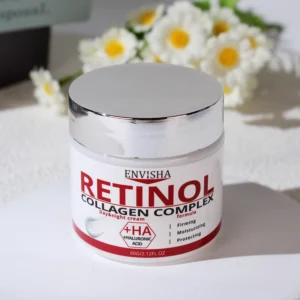
Retinol + Collagen Face Cream — Moisturizing & Firming
A facial cream marketed as a Retinol Collagen Complex to deliver deep moisture while improving the…
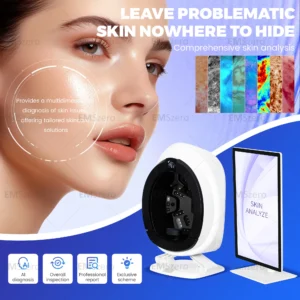
3D AISIA-Q2 Skin Analyzer Machine, Portable Facial Scanner, 110V/220V
Discover the MYOSLIM 3D AISIA-Q2 Skin Analyzer Machine – portable, CE & RoHS certified, 110V/220V dual…
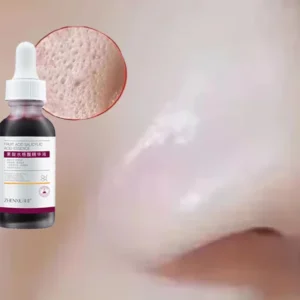
Salicylic Acid Care Essence Deep Hydration Gentle Nourishment Soothes Redness Smooths & Refines Firm Protection 2026
Deep hydration face serum with salicylic acid for gentle nourishment, soothing redness, and refining skin texture….